Coast Guard captain's license guides
What the Coast Guard asks for, in the order it asks: choosing between an OUPV and a Master license, proving your sea time, and getting the physical and drug test right the first time. Every rule is checked against the regulation or the NMC's own instructions.
How to Get a Captain's License: OUPV or Master, Step by Step
Pick the license first. An OUPV (six-pack) needs 360 days of sea time and lets you carry up to six passengers on uninspected boats; a Master of less than 100 GRT near coastal needs 2 years (720 days) and is the license for inspected vessels. Both need a medical certificate, a drug test, first aid and CPR, an exam or approved course, and $240 in Coast Guard fees.
Getting licensed
Which captain's license fits the boat and the route you want to run, and what the Coast Guard asks for each one.
Application paperwork
The sea service form, the physical and the drug test. All three appear on the NMC's own list of reasons for Awaiting Information letters.
How to Document Your Sea Time for a Coast Guard License (Without Getting the Form Rejected)
How the Coast Guard counts sea time, how to fill out the CG-719S small vessel form, what service letters need, and errors that get forms rejected.
The Coast Guard Drug Test for a Captain's License: CG-719P and the 185-Day Rule
How the Coast Guard drug test works for a captain's license: DOT 5-panel, the 185-day window, form CG-719P, and the random-program letter that replaces it.
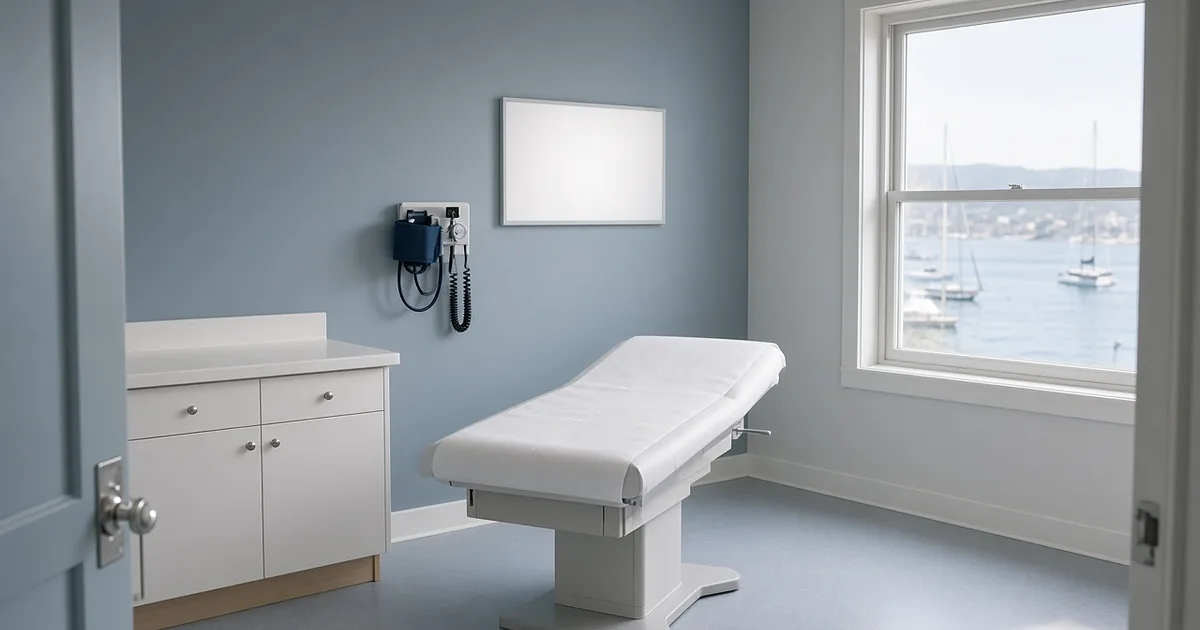
The Coast Guard Physical (CG-719K): What It Checks and What Holds People Up
What the Coast Guard captain's license physical checks on form CG-719K: 20/40 vision, color tests, hearing, medications, physical ability and waivers.
Mariner IQ is not affiliated with the U.S. Coast Guard or the National Maritime Center. These guides explain public regulations and NMC instructions for planning purposes; they are not legal advice. Check the current NMC checklist for your credential before you apply.